Before you go and look
Run the MOT history on the DVSA service using the registration. It gives you the mileage at every test, every advisory, and every failure back to 2005 — the single most useful free check available. A car with the same advisory five years running has an owner who does not fix things.
Check the MOT is current and note the expiry date. A car advertised with 'MOT until next year' and no certificate visible is worth a question, and a car with a gap in its MOT history has been off the road for a reason.
At the viewing, cold
Insist on seeing the car cold and not pre-warmed. A seller who has warmed the engine before you arrive is hiding either a cold-start rattle, blue smoke or a rough idle — all of which are expensive.
Look at the ground under the car where it has been parked for leaks. Check the tyre brands match across each axle and look at the date codes on the sidewall: tyres more than six or seven years old should be replaced regardless of tread.
The test drive
Drive at least fifteen minutes, including a stretch of faster road. Use all the gears including reverse, brake firmly from speed somewhere safe, take it over a rough surface with the windows down to hear knocks, and do a full lock turn in each direction in a car park.
On return, leave the engine idling for two minutes and watch the temperature gauge. Then switch off, wait, and check the oil and coolant. Milky oil or a bubbling coolant expansion tank means walk away.
Paperwork and questions
Ask when the cambelt was done, when it was last serviced and by whom, and whether there are receipts. A folder of invoices is worth more than a shiny valet. Check the V5C matches the seller's address, and be wary of a car sold 'for a friend'.
Two owners from new with full history is worth paying more for than five owners and none. It is not snobbery — it is the difference between a car that was looked after and one that was passed around.
When to pay for an inspection
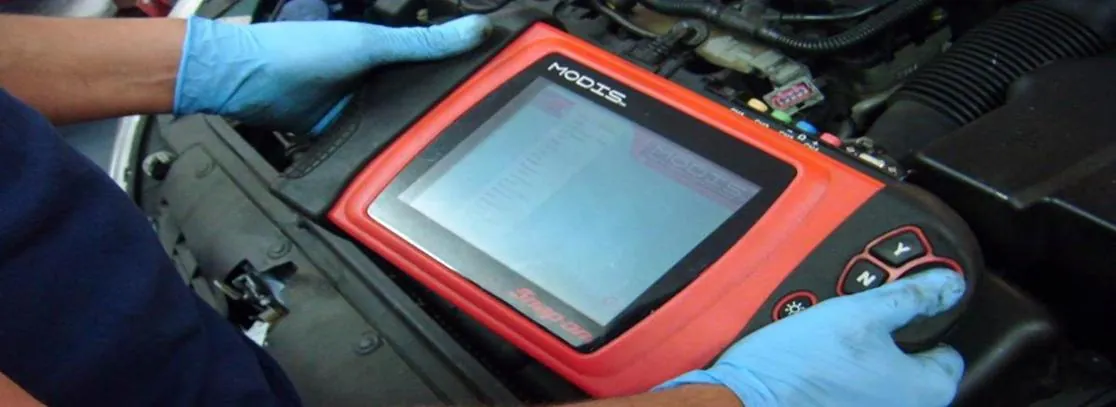
On anything above a few thousand pounds, an independent inspection is the cheapest insurance in the deal. It puts the car on a ramp, reads stored fault codes, measures brake and tyre wear, and looks at the underside where corrosion lives — the part of the car you cannot see from a driveway.
A pre-purchase inspection also changes your negotiating position. A written list of faults is a discount; a feeling is not.